
Neighbors in the Truest Sense: How Serving Lunch Once a Month Shapes the Heart of Mercer
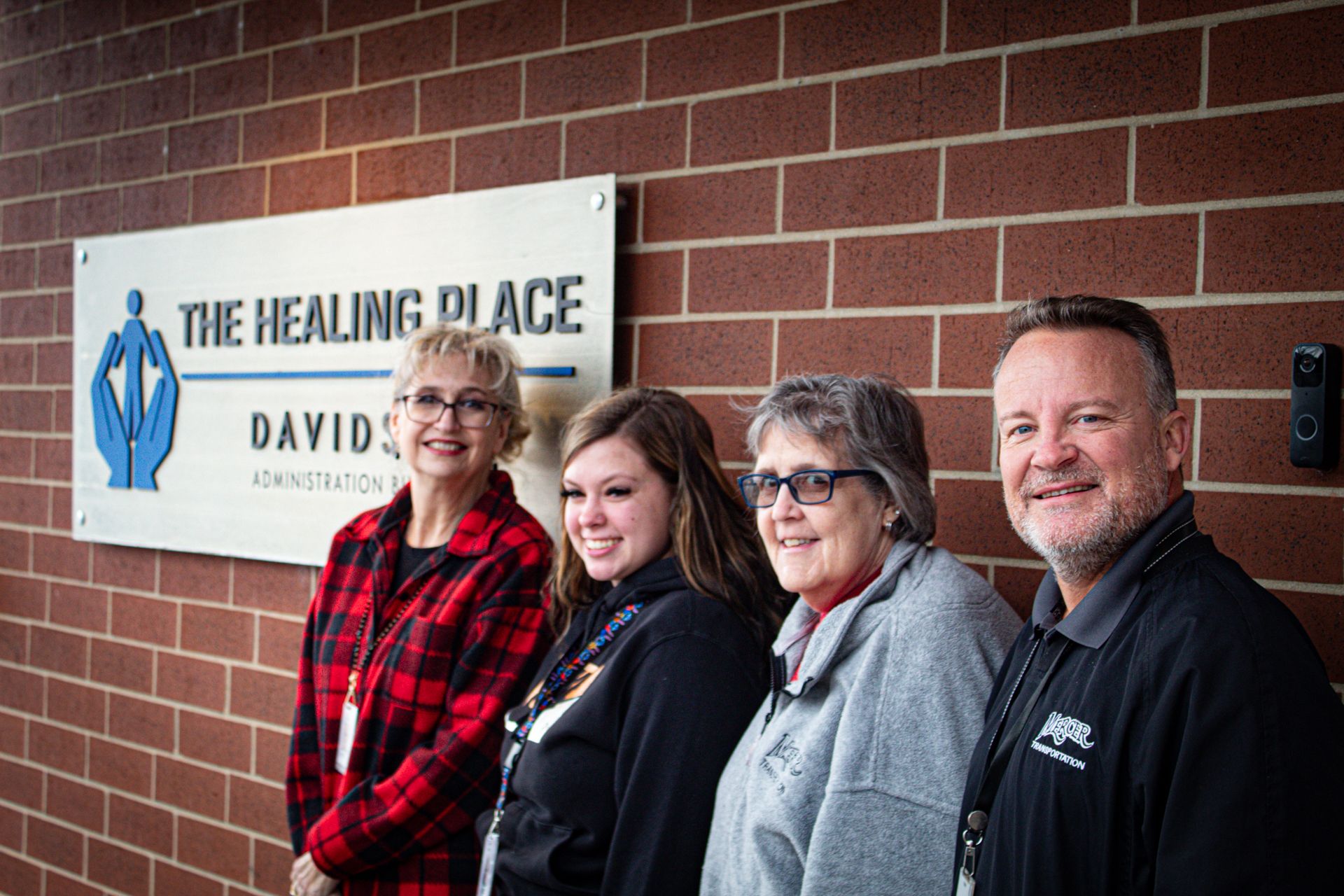
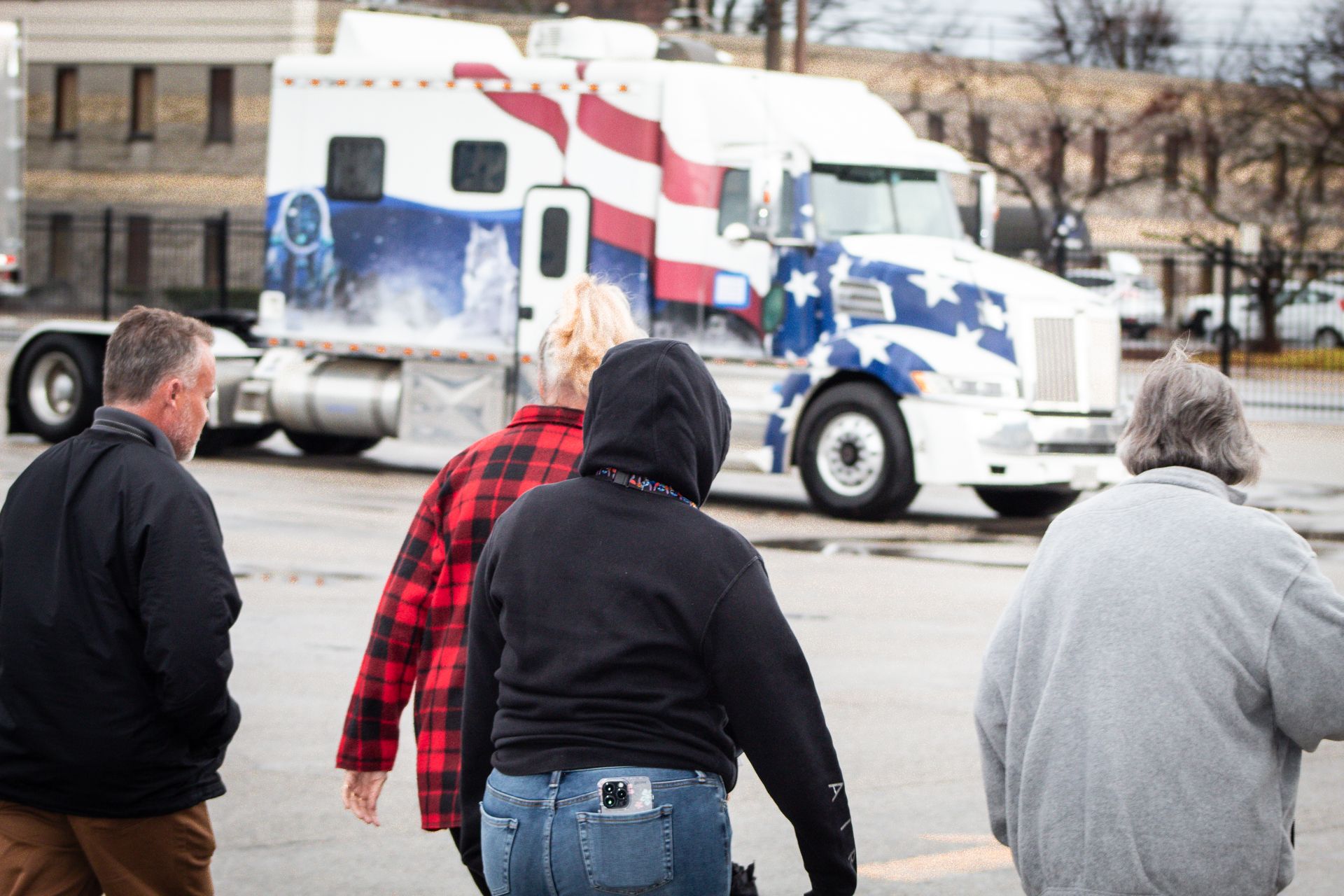
Every month, just before noon, a small group of Mercer employees gathers at the front desk. There’s no fanfare, no announcement, no applause. It’s simply a handful of coworkers stepping away from their desks, slipping on jackets, and preparing to walk a few blocks down the street to the Healing Place.
Kevin Greenwood leads the way, as he always does. The walk is only about two and a half blocks, but the atmosphere changes as soon as the group steps off Mercer’s campus. Kevin offers a quiet briefing as they go. He explains how serving works, how fast everything moves, and what to expect once the lunch hour begins. For first-time volunteers, nerves tend to sit close to the surface. There’s curiosity, a little uncertainty, and an unspoken question shared by almost everyone the first time they make this walk:
What will it feel like to serve people in one of the hardest chapters of their lives?

As the group approaches the Healing Place, the answer becomes tangible. A few residents stand near the entrance, some talking, some quiet, some simply waiting for the next part of their day. It’s humbling. It’s real. And in that short stretch of sidewalk, the distance between Mercer and the Healing Place, two neighbors separated only by a few blocks, becomes something more meaningful than geography.
The Fast, Focused Rhythm of Serving
Once inside, everything moves fast. Introductions are brief. There’s a nod from the kitchen supervisor, a quick point to the serving line, a rundown of what needs to happen and how quickly it must be done. Volunteers take their place at the counter just as the aroma of warm cafeteria food fills the room. Bowls, trays, utensils, and pans shift into place. Chili is ladled. Bread is stacked. Silverware is replenished.
There’s barely time to think as the dining room fills. The residents wait quietly at first, watching for the signal to stand and line up. Then the doors open, and the flow begins.
A bowl is filled. Passed forward. Another. And another.
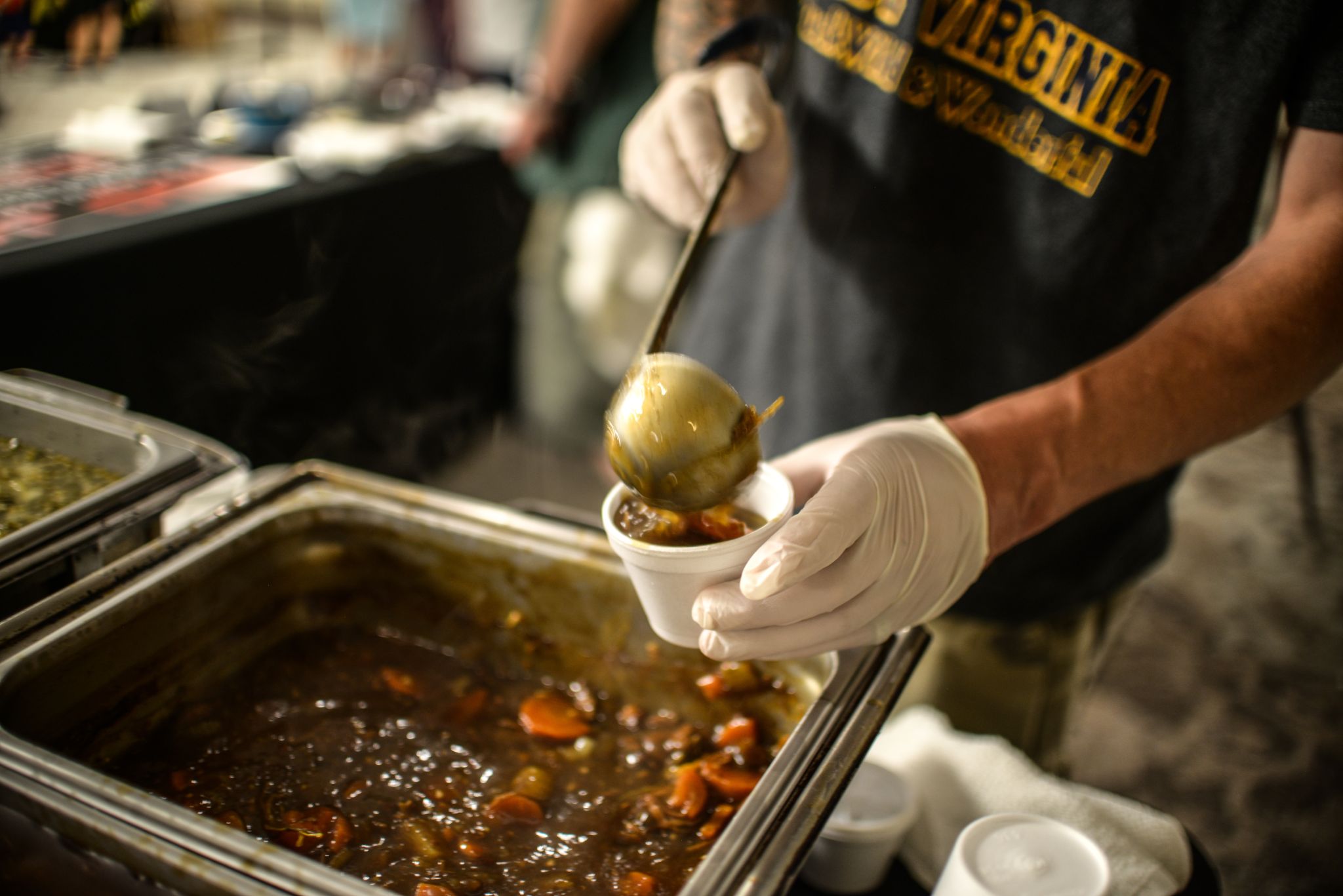
For nearly thirty minutes, the line does not stop.
Some faces are tired. Some are hopeful. Some carry the weight of grief or recovery. Others crack a small smile or offer a brief thank you. The people being served represent every personality imaginable; quiet, talkative, guarded, grateful. But almost all share one thing: hunger, not just for food, but for forward motion.
Volunteers don’t have long conversations. The rhythm is too quick for that. But there are moments, small, human flashes, that stay with people long after the shift ends.
Humility in a Cracked Bowl
Jacqueline “Jacque” Bogue remembers one of those moments well. As she served soup, she noticed one bowl with a crack along the rim. She avoided using it until the clean bowls ran out. Eventually, she had no choice but to use it, carefully handing it to the next man in line.

“I reminded him that even cracked bowls can still be used,” she said. “We both smiled and laughed.”
It was a simple exchange, but one that held a kind of truth only small moments can hold. That value doesn’t disappear when life cracks you open. That usefulness and dignity remain even when life has been hard.
Volunteering didn’t change Jacque’s values; it reinforced them. “It keeps me humble and reminds me to be grateful for things that are often taken for granted,” she said.
For her, Mercer’s culture of giving back isn’t about recognition. It’s stewardship. It’s the belief that blessings are meant to be shared, quietly and consistently.
The Full Circle: Troy’s Story
For Troy Colon, serving at the Healing Place is something deeper — a spiritual return.
Troy is an alumnus of the men’s program. He arrived at the Healing Place’s detox unit on June 13, 2021, spent close to a year in recovery there, and remembers vividly what it felt like to sit in that dining room as a resident.
One memory stands out from his time in recovery: when guest volunteers served lunch. “The name of the people or the company never stuck with me,” he said. “Just how kind they were. It was like they saw me for the person I was trying to become.”

A year later, Troy was working at Mercer. When Kevin’s monthly volunteer email landed in his inbox, Troy signed up immediately. The first day he returned to the Healing Place — this time on the other side of the serving line — was “magical and very spiritual.”
As food was being prepared, Troy leaned toward Kevin and said quietly, “I used to go here.”
The moment connected two worlds — the man who once stood in line, and the man now giving back to the place that helped rebuild his life. “I am grateful and proud of what Mercer does,” Troy said. “And the men of the Healing Place are grateful for our company’s kindness.”
His story is a reminder that everyone in the dining room shares more similarities than differences. One decision, one hardship, one season of life — that’s all it takes to end up standing on either side of the serving line.
Helping Because You Understand
Sharmyn Nobles knows what it feels like to be without stable housing. That lived experience is part of why she volunteers and part of why the gratitude in the dining room lands differently with her.
“The teamwork and how thankful everyone is — that stays with you,” she said.
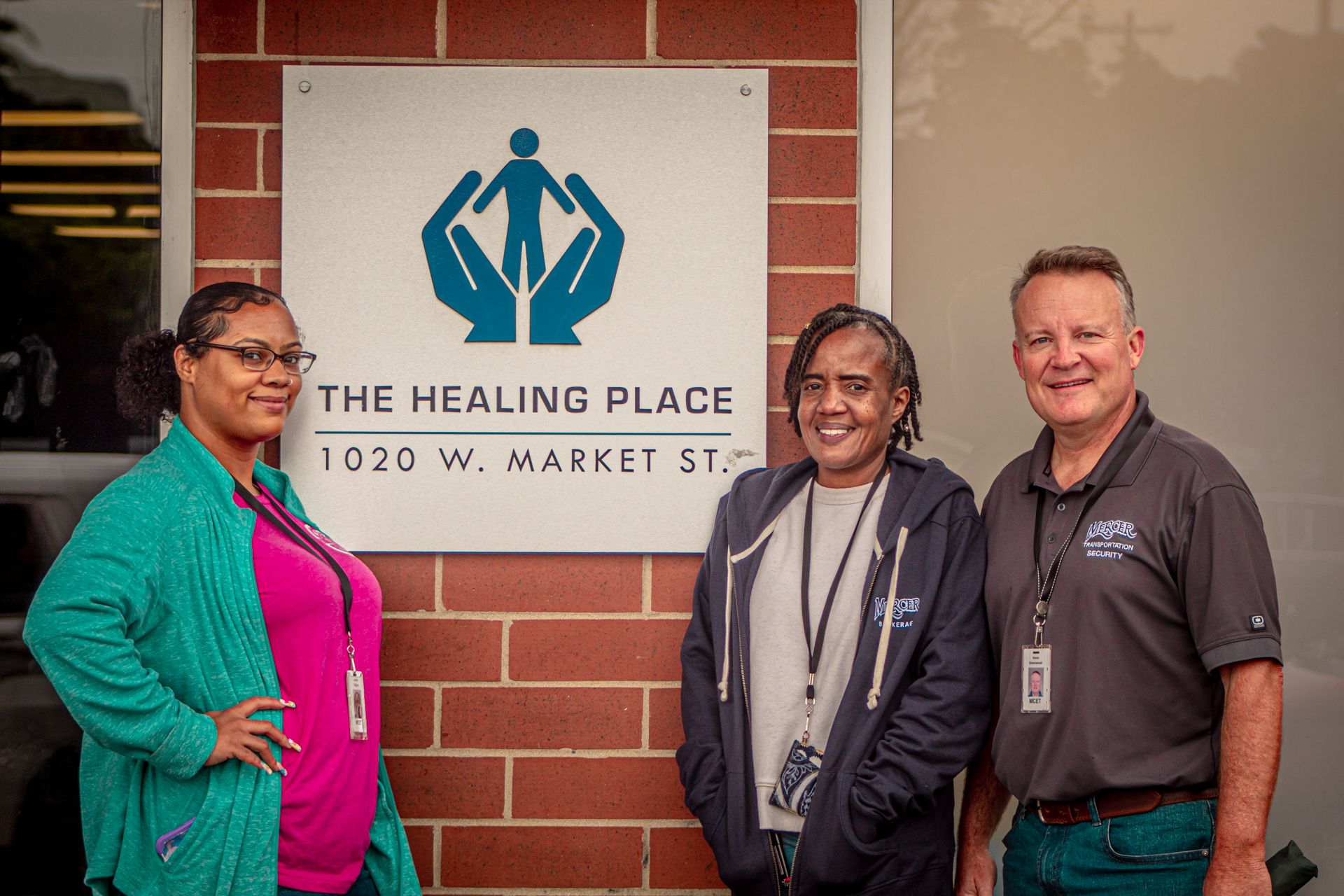
Volunteering at the Healing Place didn’t change Sharmyn’s perspective on helping others because she never needed that shift; helping is already in her nature. What it did do was create new habits — she now volunteers with a coworker every Saturday morning.
For her, these moments aren’t about grand gestures. “Everyone deserves a little help every now and then,” she said. “Gotta be a blessing to get a blessing.”
What First-Timers Don’t Expect
Many volunteers arrive expecting something closer to what movies portray — polished dining rooms, warm chatter, colorful personalities. But the reality is more solemn. The people in line are often carrying the heaviest burdens of their lives. Recovery is slow. Progress isn’t linear. Gratitude sometimes shows up quietly, and sometimes not at all. Not because it isn’t felt, but because the weight of the day can be too much to put words around.
Still, first-timers often leave changed.
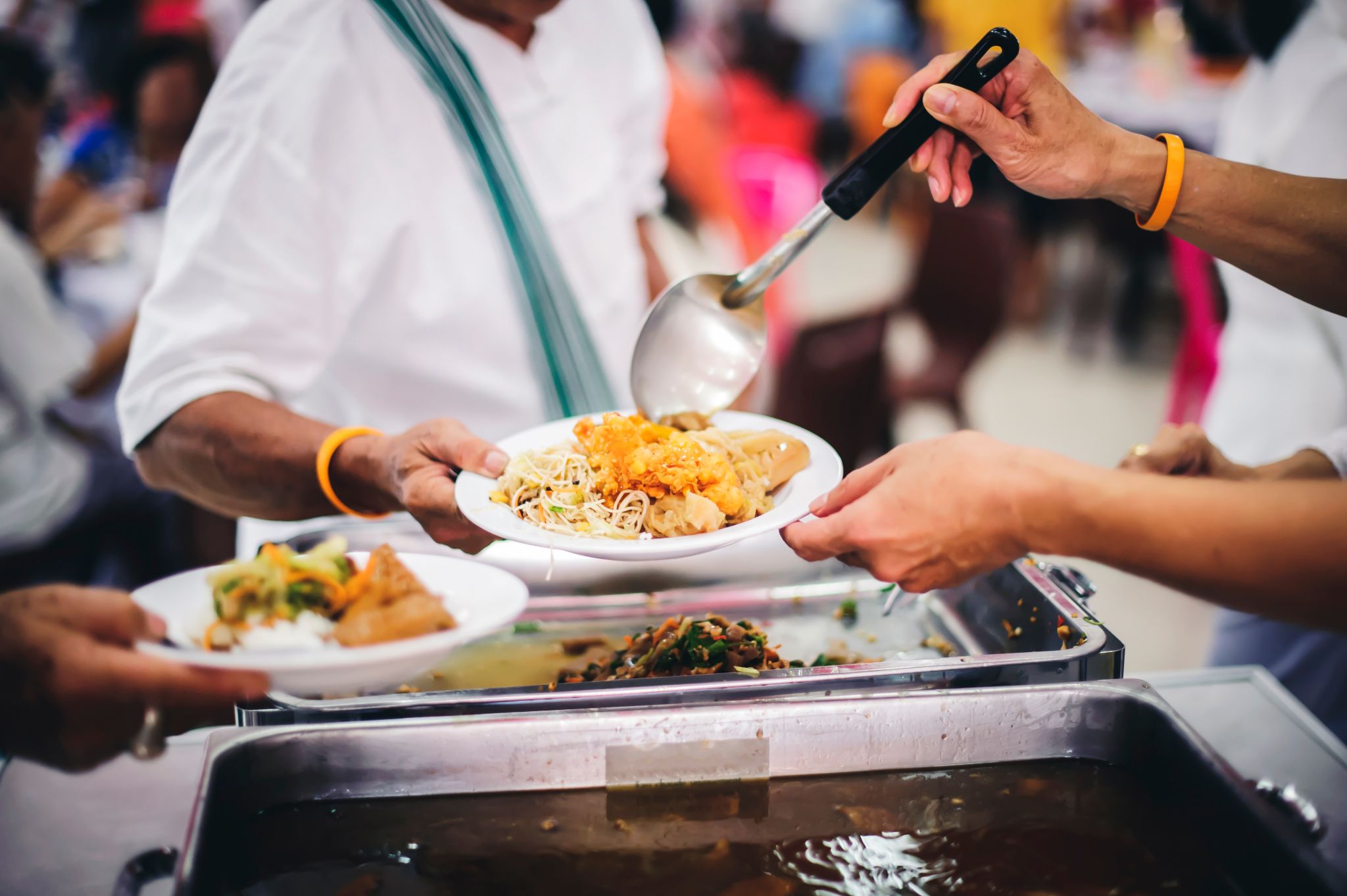
They’re surprised by how relatable the residents are. They hear advice from strangers who share fragments of their stories. They feel humbled by the experience. They find themselves reflecting on their own circumstances, recognizing how fortunate they are — and how fragile life can be.
As one volunteer put it, “It was a reminder that I’m no different than anyone else in the room. One bad decision can change everything.”
Why Mercer Shows Up
Mercer began volunteering at the Healing Place roughly a decade ago. It wasn’t a formal company-wide initiative at the start. It was simply neighbors helping neighbors — a grassroots effort that became a tradition.
Three volunteers go each month. Departments mix. People who might never cross paths inside the office stand in a line together serving chili, handing out bread, and sharing a quiet sense of purpose.

No one goes for recognition. No photos are taken. No applause follows them back to campus.
They go because it’s the right thing to do.
Because being a good neighbor doesn’t require spotlight — just willingness.
Because service, even for an hour, makes people feel seen.
Leaving a Little Different Than You Arrived
When the last tray is served, the energy shifts. Aprons come off. Hands are shaken. Thanks are exchanged — from the kitchen staff, from the residents, from the volunteers themselves. And then the walk back begins.
The steps are usually quieter.

Volunteers return to their desks with a mix of humility, gratitude, and reflection. Some feel emotional. Some feel empowered. Some feel a renewed sense of purpose. Almost all feel changed — even if only a little.
Being a neighbor isn’t complicated. It’s not loud. It’s not flashy. It’s simply showing up with a willingness to help.
And every month, a few blocks away from Mercer’s campus, that willingness becomes a meal, a smile, a moment of dignity — a reminder that community isn’t defined by what separates us, but by how we walk toward one another.
For more heartfelt stories like this one, check out our blog.