
Inbound vs. Outbound Freight: What’s the Difference
Shipping can feel complicated, but it really starts with two simple questions: What’s coming in? and What’s going out?
Understanding inbound and outbound freight shipments makes your whole operation run smoothly. Fewer surprises, fewer delays, and more control.
What Is Inbound Freight?
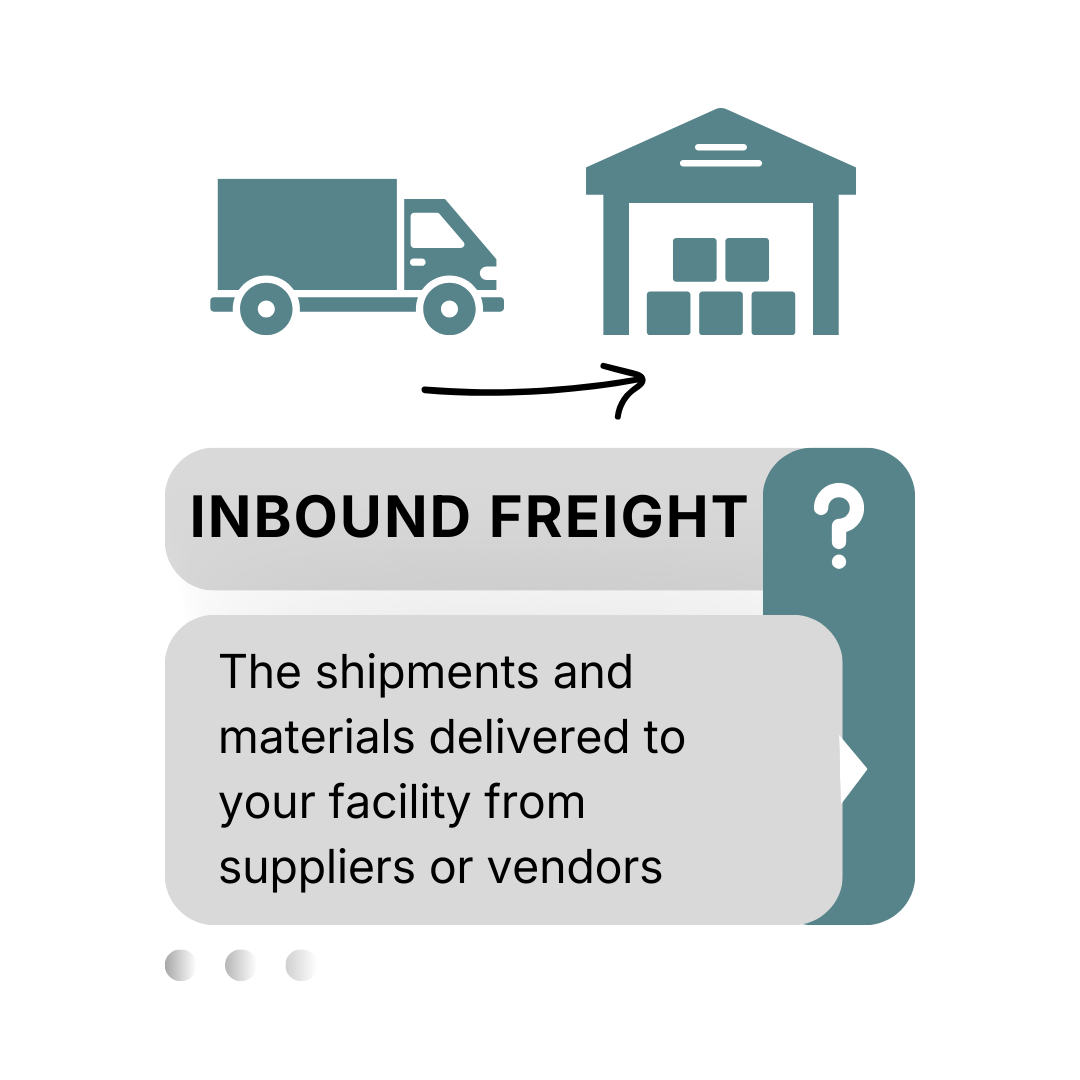
Inbound freight refers to anything coming into your business from a supplier, manufacturer, or distribution center. It includes the products, goods, raw materials, and supplies your company needs to operate.
Because these deliveries impact your ability to produce, store, and fulfill orders, inbound freight plays an important role in your overall supply chain management.
Common Examples of Inbound Freight
Inbound freight shows up in almost every industry. Examples include:
- Raw materials arriving for manufacturing
- Inventory shipments from suppliers
- Parts and components needed for assembly
- Equipment or replacement parts
- Packaging materials, labels, or containers
- Bulk goods delivered to a warehouse for storage
Even service-related companies rely on inbound shipments. For example, contractors receiving equipment or materials, or maintenance teams receiving parts.
Why Inbound Freight Management Matters
Even though inbound freight might not feel customer-facing, it still affects your business outcomes in a major way.
1. Production Efficiency
If materials don’t arrive on time, production slows, workers wait, and output drops. Better inbound logistics leads to greater efficiency across your entire supply chain.
2. Cost Control
Many businesses don’t realize how much inbound freight costs add to their total product cost. Suppliers often choose the carrier and pass shipping costs along to the buyer. If these costs aren’t monitored, they can significantly impact your bottom line. This can lead to:
- Higher-than-necessary shipping costs
- Excess detention fees
- Late delivery fees
- Emergency or rush shipments to catch up
Many companies overpay for inbound transportation simply because suppliers choose the carrier. Managing inbound transportation in-house rather than relying fully on supplier-arranged freight can lead to measurable cost savings.
3. Inventory Management
Inbound shipping affects your ability to maintain the right level of inventory. Late or inaccurate shipments can disrupt:
- Production schedules
- Order fulfillment
- Inventory turnover
- Safety stock requirements
Running out of materials means ordering expensive replacements or pausing production.
4. Stronger Supplier Relationships
Clear communication with suppliers helps prevent issues with:
- Incorrect quantities
- Poor packaging
- Late shipments
- Missing documents such as a shipping document, freight bill, or delivery receipt
These issues are more common than most businesses expect.
Common Inbound Freight Challenges
Even experienced shippers run into issues with inbound shipments. The most common challenges include:
- Limited visibility into where a supplier shipment is or when it will arrive
- Unpredictable delivery windows, especially with multiple suppliers
- Freight damage or claims from poorly handled shipments
- Too many carriers, making tracking and communication difficult
- Supplier-controlled shipping, which may be more expensive
These problems become especially frustrating when inbound freight impacts anything downstream, including production, scheduling, sales, and customer service.
Simplify Inbound Freight Management
Mercer Transportation provides reliable pickups, clear communication, and ongoing capacity for your inbound logistics. Plus contract options built around your schedule and suppliers.
What Is Outbound Freight?
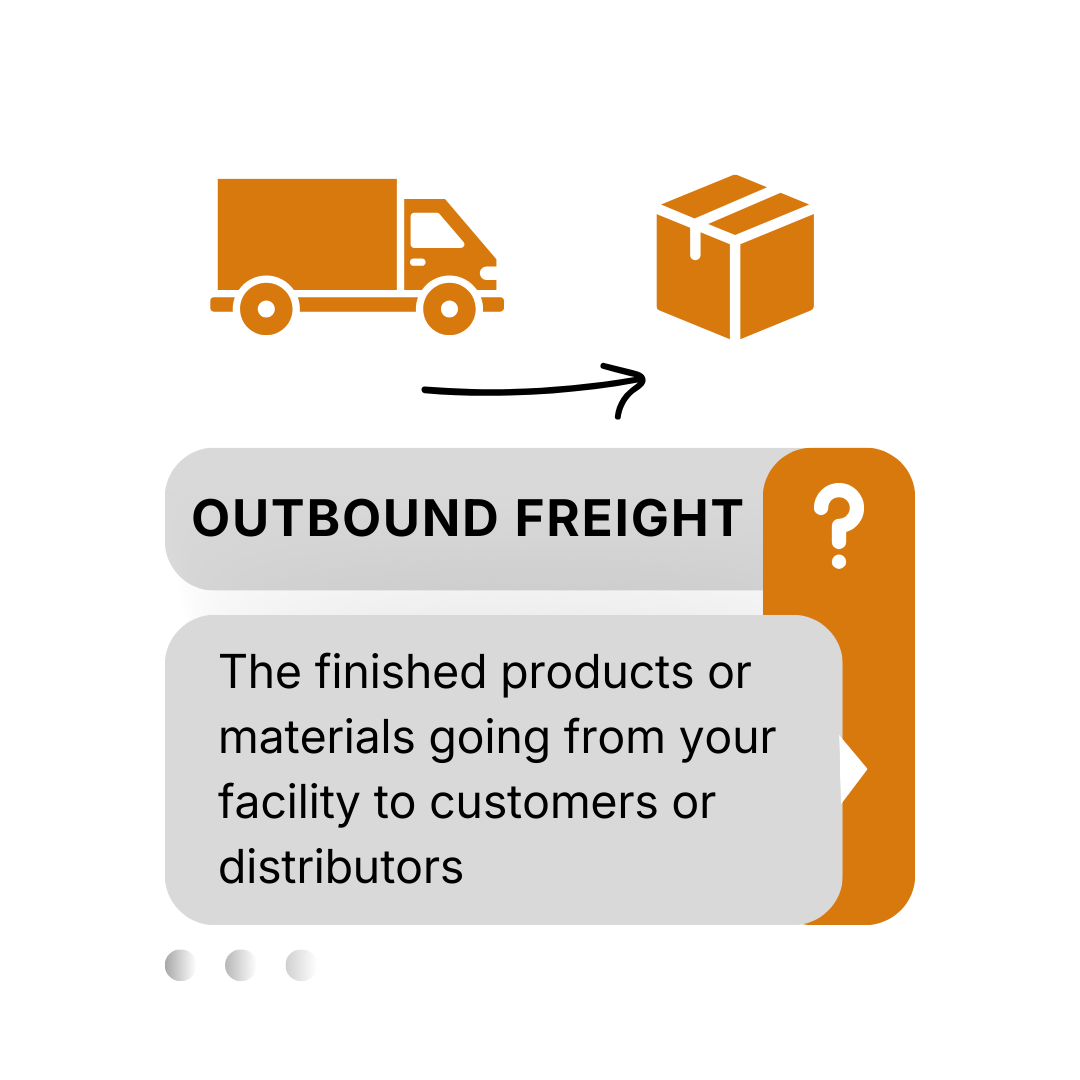
Outbound freight covers anything leaving your business to go to customers, distributors, jobsites, retailers, or other end users.
If you’re shipping products sold to customers or goods moving to distribution centers, that is outbound freight.
Common Examples of Outbound Freight
Outbound shipments vary across industries, but typically include:
- Customer orders for B2B or B2C shipments
- Finished products delivered to retail stores or wholesalers
- Goods moving to warehouses or distribution centers
- Machinery or large industrial equipment sent to jobsites
- Palletized shipments for ongoing customer contracts
Because it is customer-facing, outbound freight directly influences brand perception, customer service levels, and repeat business.
Why Outbound Freight Management Matters
1. Customer Satisfaction
Customers judge your business by how reliably shipments reach their final destination. Even if your product is excellent, late deliveries can damage customer relationships. Outbound freight is a direct reflection of your business and brand.
2. Maintaining Delivery Windows
Meeting customer-specific delivery windows is critical. A delayed outbound shipment can disrupt your customer’s operations or distribution channel.
3. Predictable Costs
Outbound freight tends to be more controlled by the shipper, giving businesses more flexibility in choosing carriers, negotiating rates, and managing transportation costs.
4. Accurate Documentation
Outbound logistics requires proper:
- Freight bills
- Bills of lading
- Delivery receipts
- Tracking information
Accurate documentation helps avoid disputes and supports smooth claims processing if goods are damaged in transit.
Common Outbound Freight Challenges
Outbound shipments often require:
- Meeting tight customer delivery deadlines
- Handling seasonal or unexpected spikes in demand
- Handling LTL shipments and full truckload freight
- Managing last-minute changes in order volume
- Keeping shipping costs aligned with budgets
Since outbound freight is customer-facing, any mistake or delay can cause customer dissatisfaction or even lost business.
Strengthen Your Outbound Shipping With a Reliable Freight Partner
Mercer Transportation delivers dependable outbound logistics with consistent scheduling, clear communication, and long-term contract options to keep your customer shipments on track.
Inbound vs. Outbound Freight: What’s the Difference?
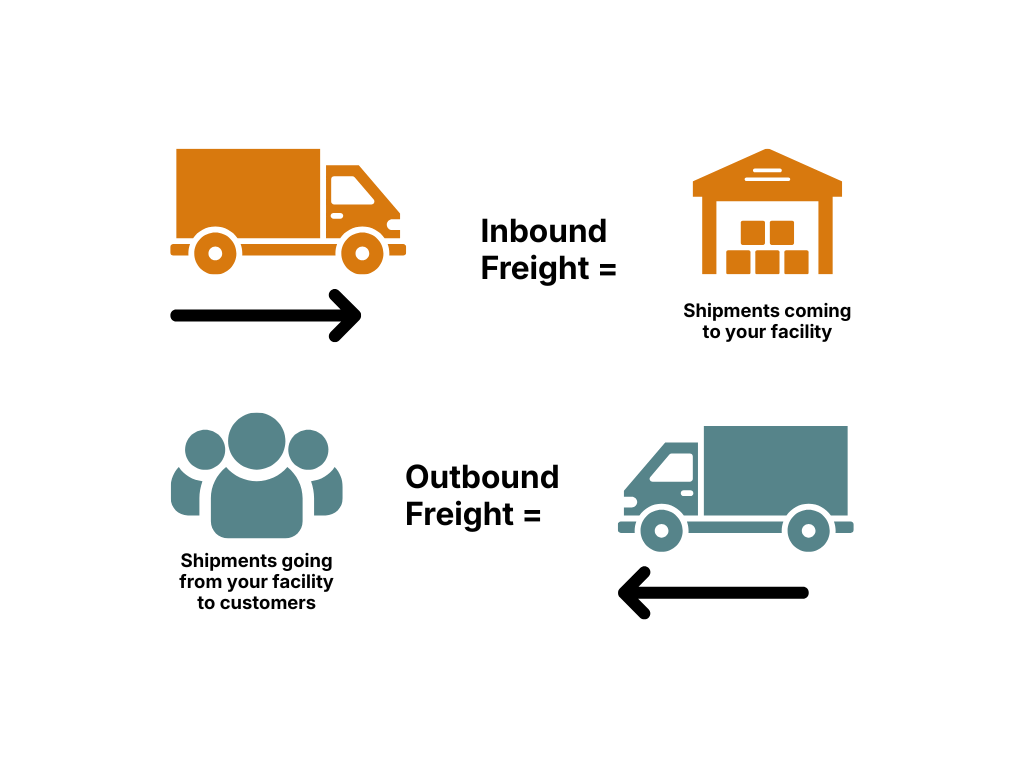
At a high level, the difference is simple:
- Inbound freight = coming to you
- Outbound freight = going from you
But the real differences matter a lot for shippers.
1. Direction of Freight Flow
Inbound affects your operations. Outbound affects your customers.
Both sides need to run smoothly, but they require different strategies and priorities.
2. Who Controls the Shipment
Inbound shipments are often controlled by suppliers. Outbound shipments are controlled by the shipper (you).
Some businesses benefit by taking more control over inbound freight, rather than letting suppliers choose carriers at higher cost.
3. Cost Responsibility
Who pays depends on freight terms (FOB origin, FOB destination, etc.), but shippers often overlook how much control they actually have over inbound costs. Understanding these terms helps reduce unnecessary freight spend.
4. Operational Impact
Inbound logistics influences:
- Inventory
- Production schedules
- Receiving processes
Outbound logistics influences:
- Customer satisfaction
- Delivery performance
- Sales success
Both are important, but outbound issues often have more direct customer consequences.
5. Common Mistakes Shippers Make
Across industries, shippers often:
- Poor inbound freight rate negotiation
- Use too many carriers without visibility
- Lack consistent processes across suppliers
- Don’t consolidate volume where possible
- Treat inbound and outbound freight as unrelated
Managing both together can create better pricing, fewer disruptions, and more predictable operations.
Choosing the Right Partner for Inbound and Outbound Freight
Selecting a freight carrier for both inbound and outbound logistics is a major decision. The right partner should support your supply-chain management plan, improve communication, and provide reliable transportation.
What Shippers Should Look For
- Proven delivery performance
- Clear communication
- Capacity for full truckload or LTL shipments
- Accurate documentation
- Flexibility for unique needs
- Ability to support ongoing freight programs
A strong transportation partner becomes an extension of your business, representing your reliability, professionalism, and commitment to customer service.
How Mercer Transportation Supports Shippers
Mercer Transportation offers shippers a combination of experience, equipment, and nationwide reach that allows for flexible and dependable freight movement in both directions.
Mercer Transportation provides:
- A large network of qualified owner-operators
- Flatbed, step deck, dry van, Conestoga, and heavy-specialized equipment
- Consistent on-time delivery performance
- Real communication from dispatch to delivery
- Capacity for one-time, recurring, or long-term freight contracts
- Support for both inbound and outbound shipping needs
Whether your freight is simple or specialized, large or small, Mercer has the network and experience to manage it safely and reliably. We work with companies across industries to build long-term inbound and outbound freight programs that improve efficiency and simplify planning.
Reach out today to learn how we can support your supply chain.